


Why ADA Signs Are Essential for Denver Businesses
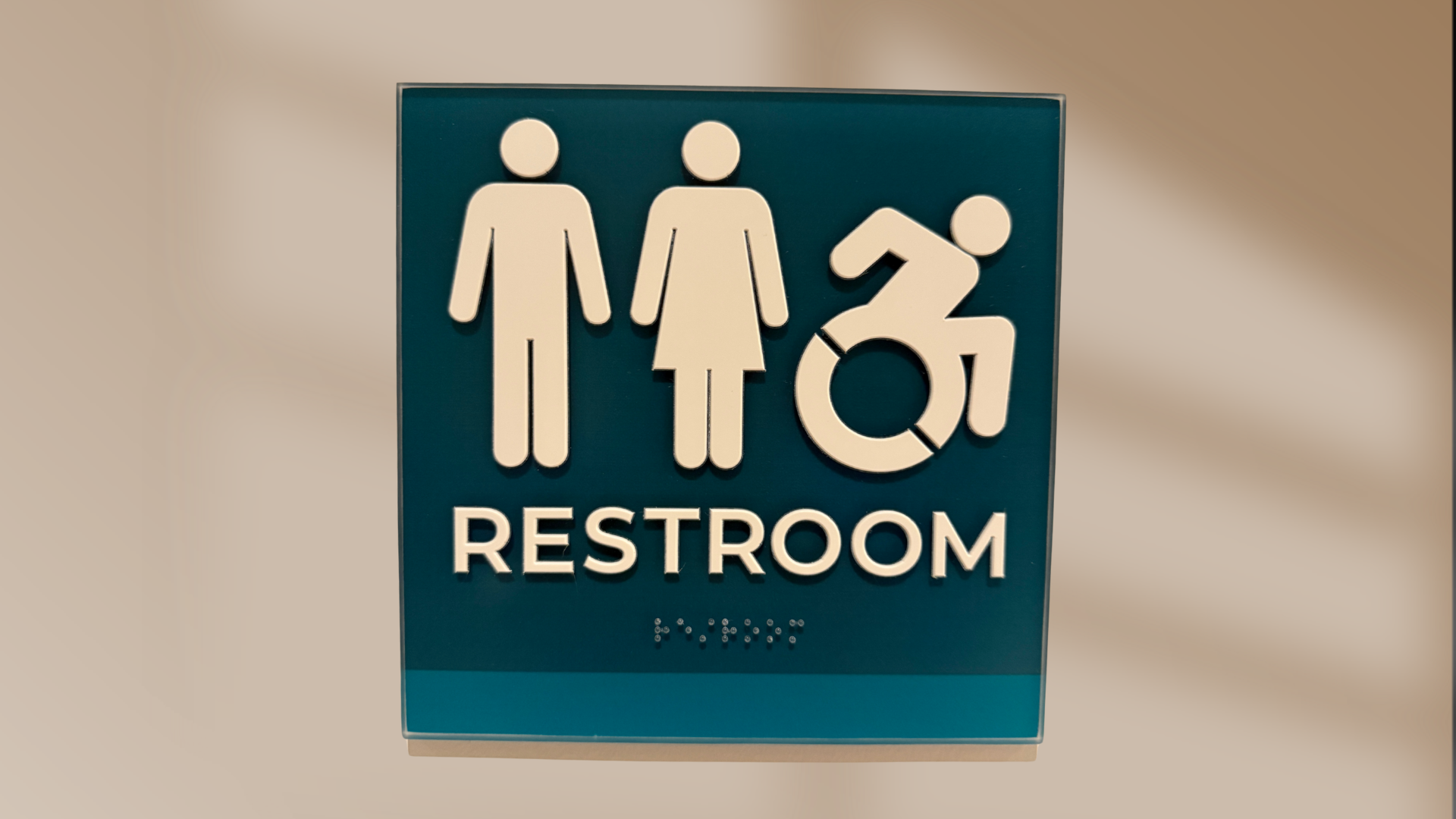
ADA signs are essential for Denver businesses because they make spaces accessible to everyone, ensure compliance with federal law, and create a welcoming environment for clients, patients, and employees.
What Are ADA Signs?
ADA signs are interior signs designed to meet the standards of the Americans with Disabilities Act. These requirements include tactile lettering, braille, high contrast colors, and correct placement on the wall. Together, these elements ensure that visitors of all abilities can move through a building with confidence and independence.
Scope and Examples
Common interior locations include restrooms, elevators, stairwells, reception areas, locker rooms, break rooms, and conference rooms. Signs that identify permanent rooms and spaces need tactile characters and braille. Directional and informational signs need clear text and legible contrast. When any of these elements are missing or installed at the wrong height, the visitor experience suffers and the business increases risk.
Why Compliance Matters
Compliance with ADA standards is a legal obligation in Colorado and across the United States. Businesses that are open to the public must meet these requirements or face penalties. The larger risk is not just a fine. It is the way non compliance damages trust. If a client has difficulty finding a restroom or an exit, the negative experience reflects on the brand. For facilities that serve the community, such as hospitals or schools, that loss of trust is costly.
ADA Signs and the Client Experience
Visitors judge spaces quickly. A confusing layout, a missing restroom sign, or unclear exit markers can turn a simple visit into an anxious one. Clear, well placed ADA signage changes that. Patients in a clinic can find the right floor. Parents on a campus can reach an auditorium on time. An employee who uses a mobility device can identify an accessible route without asking for help. Small improvements like these add up to a calmer, more professional environment.
Industries Where ADA Signage Is Critical
Every building benefits from compliance, yet some sectors rely on ADA signs every hour of the day.
- Healthcare facilities: Hospitals, clinics, urgent care centers, and specialty practices need clear identification for exam rooms, patient rooms, imaging areas, restrooms, and emergency exits. Wayfinding that supports low stress navigation is essential.
- Educational institutions: Universities, community colleges, and K to 12 campuses must provide consistent, branded ADA signage across classroom buildings, libraries, residence halls, and athletic venues.
- Corporate offices and tech campuses: Reception areas, collaboration rooms, training rooms, and shared amenities require compliant identification and directional support.
- Government and municipal buildings: Courthouses, city offices, and libraries have strict expectations for accessibility and public safety.
Design That Balances Branding and Compliance
Many owners worry that ADA signs will look generic. The reality is that compliance and design can work together. Professional sign companies can create ADA signs that meet legal requirements and match the interior brand. Consider these options:
- Acrylic or brushed metal backers that complement modern finishes.
- Brand colors integrated within allowed contrast ratios so legibility is never sacrificed.
- Dimensional frames or standoffs that add depth while keeping tactile characters and braille within spec.
- Consistent typographic systems that fit your brand family and remain readable at a distance.
Materials and Durability
Interior ADA signs live with a building for many years. Durable materials reduce replacement costs and keep the system looking fresh. Popular choices include acrylic with subsurface graphics, photopolymer for vandal resistance, and metal backers for a premium look. For high traffic areas, choose finishes that resist cleaning chemicals and scuffs. The right material choices protect both appearance and compliance.
Mounting Heights and Placement
Great design fails if signs are mounted in the wrong location. Interior identification signs with tactile characters need to be installed on the latch side of the door at a consistent height so people can reach and read them by touch. Directional signs need to be located before a decision point so the visitor can turn with confidence. A professional survey ensures that the plan covers every floor and every wing of a facility.
The Cost of Non-Compliance
Businesses that overlook ADA signage risk more than complaints. Government penalties and legal fees add up fast. Time spent by staff giving directions also carries a cost. For property managers, non-compliant spaces can reduce the perceived value of a building. Prospective tenants expect modern, accessible environments. ADA signage is one of the most visible signals that a property is well managed.
Integration With Wayfinding
ADA identification is the backbone of an interior sign system. Pair it with a clear wayfinding plan to deliver an even better experience. Use a consistent map style, color logic for floors or zones, and directional signs at every intersection. When ADA and wayfinding work as one, a large hospital or university feels intuitive rather than overwhelming.
Local Considerations for Denver
Denver facilities serve diverse communities and often operate on multi building campuses. Snow and winter light can affect visibility near entrances, so plan for strong contrast and good illumination as people move from exterior to interior. Many Denver projects also coordinate ADA signs with bilingual or multilingual content. A thoughtful language strategy can support both clarity and community outreach.
How Mtn High Sign & Design Helps
A successful ADA program starts with assessment, continues with design and material planning, and ends with precise fabrication and installation. Our team surveys your site, documents every sign type and location, and builds a standards guide so future expansions stay consistent. We fabricate with durable materials and install with attention to height, clear floor space, and safe hardware. After completion, you receive a sign schedule and maintenance guidance so your system stays compliant.
Procurement and Budgeting Tips
Plan ADA signage early in the project so it is part of the interior design rather than an afterthought. Group orders by floor or zone to control costs and minimize disruption. Select standard sizes and components that allow future replacements without custom engineering. Build a small inventory of spare signs for high turnover spaces. These steps keep budgets predictable and projects on schedule.
ADA signs are not just a legal checklist. They are a visible promise of access, safety, and respect. For Denver businesses, hospitals, and schools, professional ADA signage supports brand reputation, lowers risk, and improves the experience for every visitor. If your facility needs an update, Mtn High Sign & Design can help you implement a compliant system that fits your interior and your brand. Contact us to schedule a consultation and site survey today.
Back